Pairing Guide
Bourbon and Cigar Pairing: How to Match Pour and Smoke
Bourbon and cigar pairing works best when the two are evenly matched in intensity, so neither the whiskey nor the smoke drowns the other out.
Updated · Kentucky Cigars Editorial Team
Meet the Smokiest Kentucky Cigar →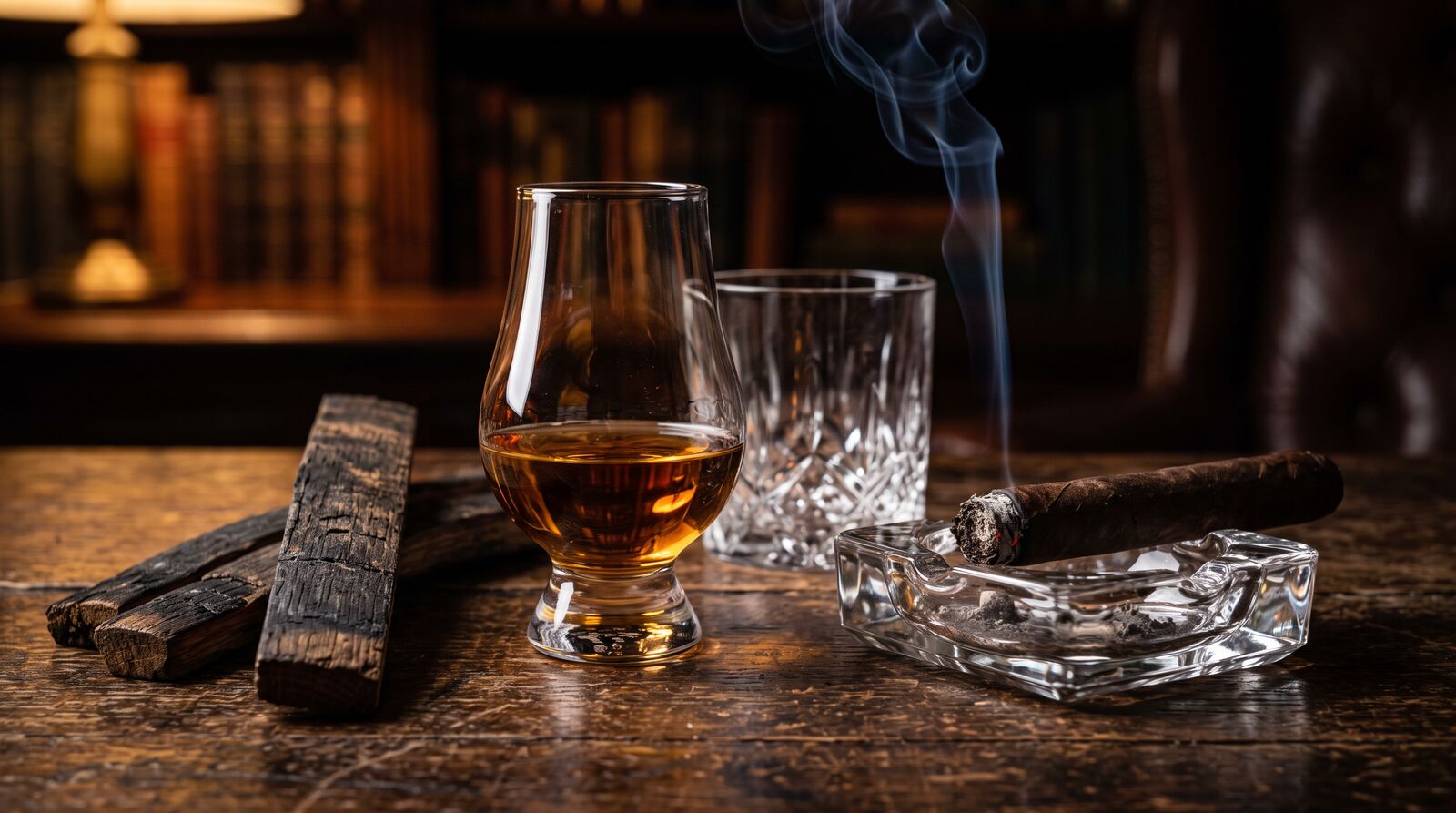
Bourbon and cigar pairing is less about rules than balance. Both are products of wood and time — bourbon spends years in new charred oak, and cigar tobacco is aged and fermented for months or years — so they naturally share caramel, vanilla, toast and spice. The goal is to line up their intensity so each one makes the other taste better instead of fighting for your palate.
For adults 21 and over. Enjoy responsibly, sip slowly, and never drink and drive.
The Three Things to Match
1. Body
This is the big one. A mild, creamy cigar can be completely buried by a big, oaky whiskey, while a full-bodied cigar can make a soft bourbon taste thin. Cigar Aficionado's long-running bourbon tasting with two very different cigars showed exactly this: the same older, oak-heavy bourbon was "too much" for the lighter cigar but balanced well with the fuller one.
2. Proof
Higher proof brings more heat and concentration. With a cigar, some of that heat softens, so barrel-proof bourbons often feel friendlier next to a strong smoke than they do alone. A few drops of water lets you tune the proof to the cigar as you go.
3. Mash bill
- Wheated bourbon (wheat as the secondary grain) tends to be softer, rounder and sweeter — think caramel and bread.
- High-rye bourbon tends to be spicier and drier, with pepper, mint and baking spice.
- Traditional bourbon sits between them, with a moderate rye share.
Bourbon and Cigar Pairing Chart
| Cigar profile | Bourbon style | Why it works |
|---|---|---|
| Mild, Connecticut-shade wrapper (cream, cedar) | Wheated, around 90–100 proof | Soft sweetness complements without overpowering |
| Medium Habano or Corojo (spice, wood) | Traditional bourbon, 100–110 proof | Balanced weight; caramel meets spice |
| Full maduro (cocoa, coffee, earth) | Higher-proof or longer-aged bourbon | Oak and concentration stand up to rich wrapper |
| Fire-cured / smoky (hickory, cured meat) | Higher-proof wheated or sweet-leaning bourbon | Sweetness and proof cut through and soften the smoke |
| Peppery Nicaraguan puro | High-rye bourbon | Spice echoes spice; dry finish refreshes |
Treat the chart as a starting point. Taste the bourbon alone, then the cigar alone, then together — and adjust.
Pairing a Smoky Kentucky Cigar
Fire-cured cigars such as Kentucky Fire Cured are the hardest pairing on the chart because the smoke is so assertive. Two approaches work well:
- Sweet against smoke. A wheated or caramel-forward bourbon at a healthy proof acts like a glaze on barbecue, rounding off the hickory.
- Proof against smoke. A barrel-proof pour has enough concentration to stay present. Add water a few drops at a time until the bourbon and the cigar feel even.
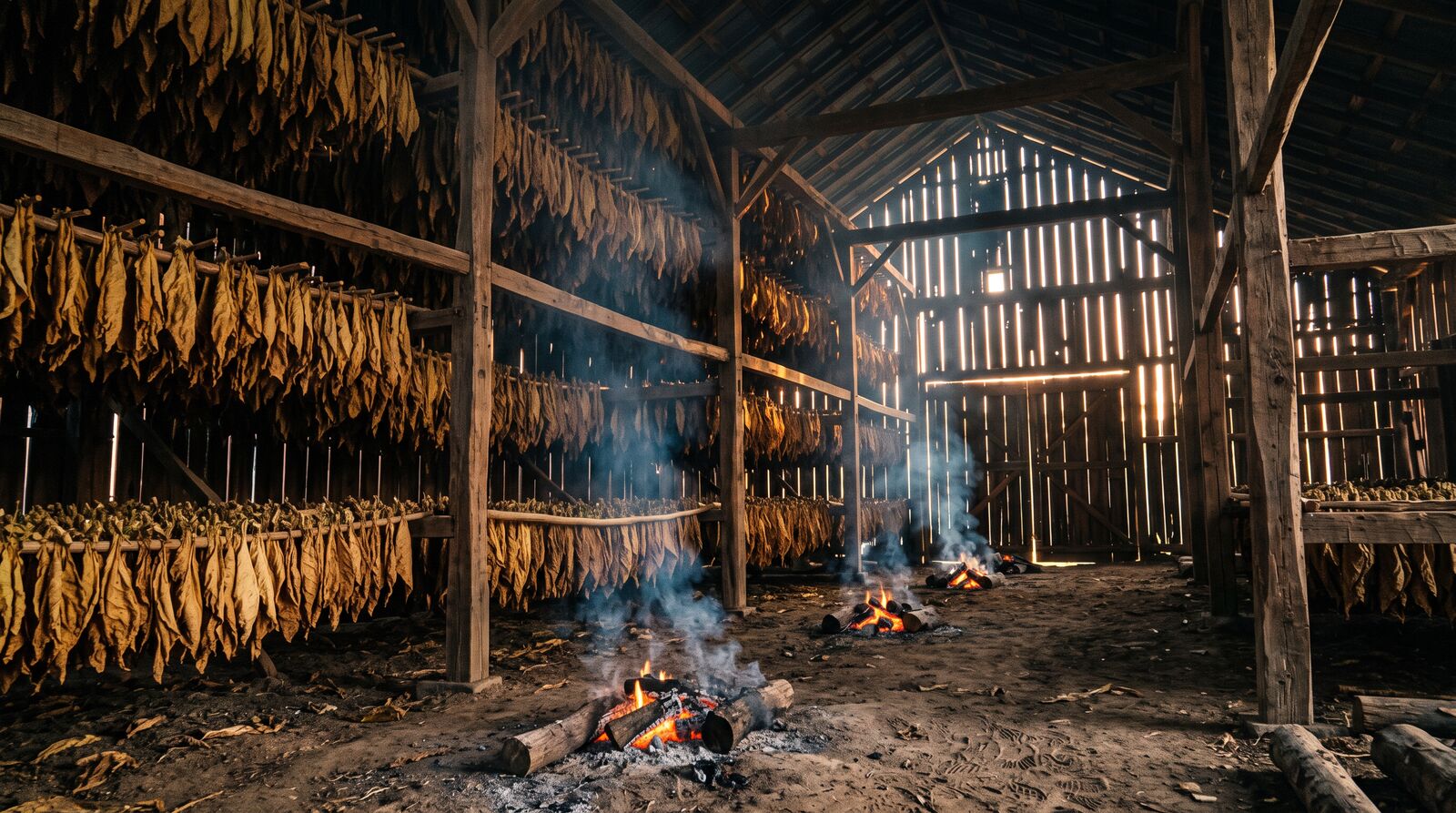
What tends not to work: very light, low-proof bourbons, which simply disappear behind the smoke. If you are curious why the smoke is so strong in the first place, see how fire-cured tobacco is made.
How to Run Your Own Pairing
- Pour about an ounce of two different styles — for example, one wheated and one high-rye.
- Light the cigar and smoke the first inch on its own to learn its baseline.
- Sip one bourbon, hold it briefly, then take a slow draw. Note what gets louder and what gets quieter.
- Rinse with water and repeat with the second pour.
- Keep notes. The best pairing is the one you would happily repeat.
Common Pairing Mistakes
- Starting with the biggest bottle. A long-aged, heavily oaked bourbon can turn a medium cigar bitter. Work up in intensity.
- Judging on the first draw. Cigars change by thirds. A pairing that feels heavy early can come into balance once the cigar warms up.
- Ignoring the finish. The best matches extend each other's finish — caramel that lingers into tobacco sweetness, or spice that echoes spice.
- Smoking too fast. A hot cigar tastes harsh with any drink. Slow down before blaming the bourbon.
Flavor Bridges to Look For
When a pairing clicks, it is usually because one flavor connects the two. Charred oak in the bourbon meets the toasty notes of a maduro wrapper. Vanilla and caramel from new barrels meet the natural sweetness that develops in well-aged tobacco. Baking spice from rye meets the pepper of Nicaraguan leaf. With fire-cured cigars, the bridge is smoke and char: the barrel's charred interior and the hardwood smoke in the leaf come from the same idea, which is why a sweet, well-charred bourbon is such a natural partner. Once you start tasting for these bridges, you can pair cigars you have never tried before with real confidence.
Serving Tips
- Use a tulip or Glencairn-style glass to concentrate aroma.
- Neat or with a little water beats heavy ice, which mutes both drink and cigar.
- Keep water on the table to reset your palate between sips.
- Smoke slowly — about one puff a minute keeps the cigar cool and the flavors clean.
Bourbon and tobacco grew up together in Kentucky; read how in our Kentucky tobacco history guide.
Frequently Asked Questions
What bourbon goes best with a cigar?
The best bourbon for a cigar matches its body: wheated bourbons for mild cigars, traditional bourbons for medium cigars, and higher-proof or longer-aged bourbons for full-bodied or smoky cigars.
Should bourbon be stronger than the cigar?
No. Aim for similar intensity so neither dominates; a bourbon that is much bigger than the cigar will bury its flavor, and a much lighter one will taste thin.
Is wheated or high-rye bourbon better with cigars?
Wheated bourbon suits mild and smoky cigars because of its soft sweetness, while high-rye bourbon suits peppery, spicy cigars because its spice echoes the tobacco.
What bourbon pairs with Kentucky Fire Cured cigars?
A sweet-leaning or wheated bourbon at a healthy proof pairs well with Kentucky Fire Cured cigars because its sweetness and strength balance the hickory smoke.
Should you add ice to bourbon with a cigar?
Neat or with a few drops of water is usually better, because heavy ice dulls both the bourbon's flavor and how it interacts with the cigar.