History
Kentucky Tobacco History: From Burley to the Black Patch
Kentucky tobacco history is really two stories: light burley leaf in the central Bluegrass, and dark fire-cured tobacco in the west, where farmers once went to war over prices.
Updated · Kentucky Cigars Editorial Team
See How Dark Tobacco Is Cured →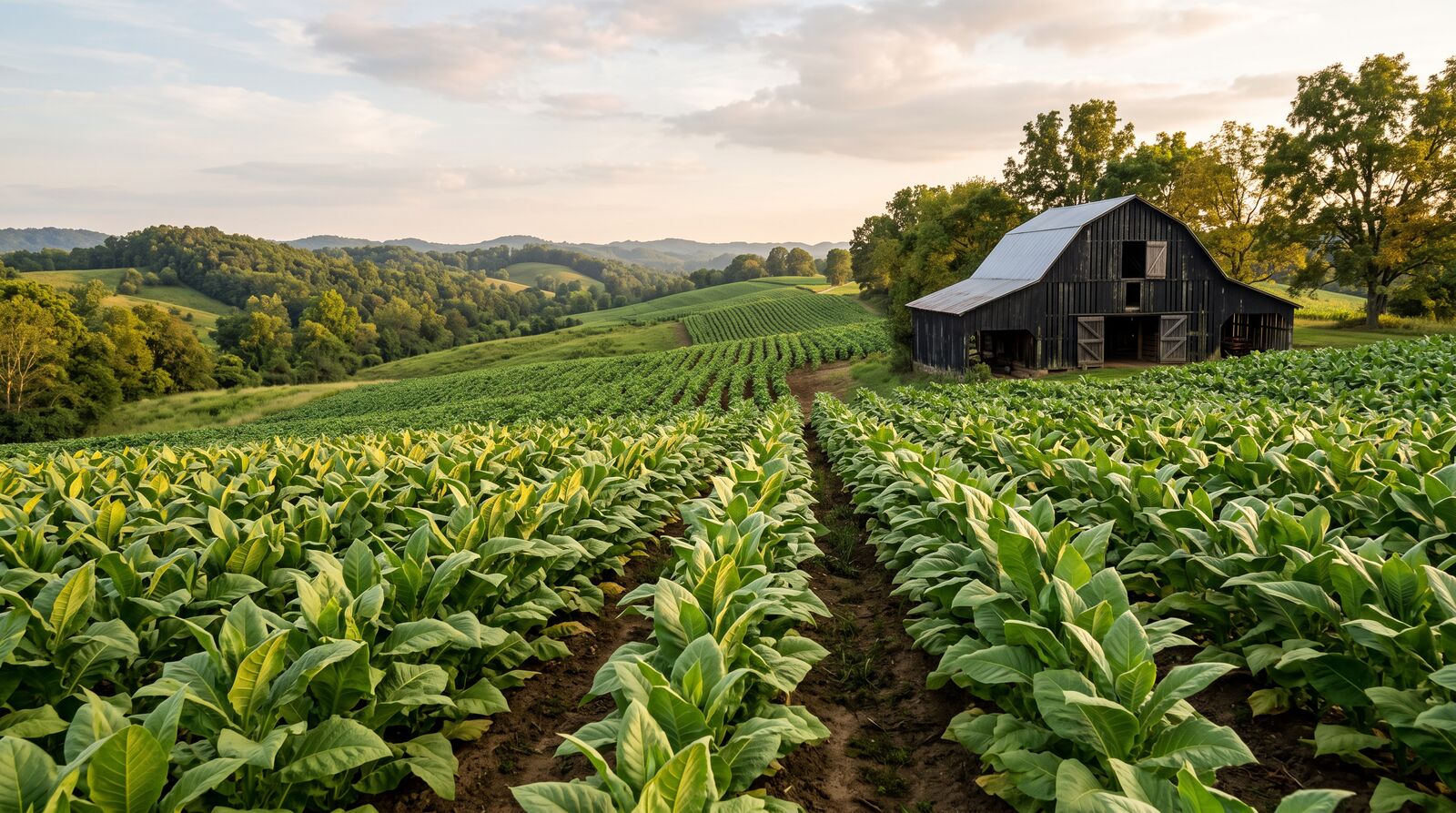
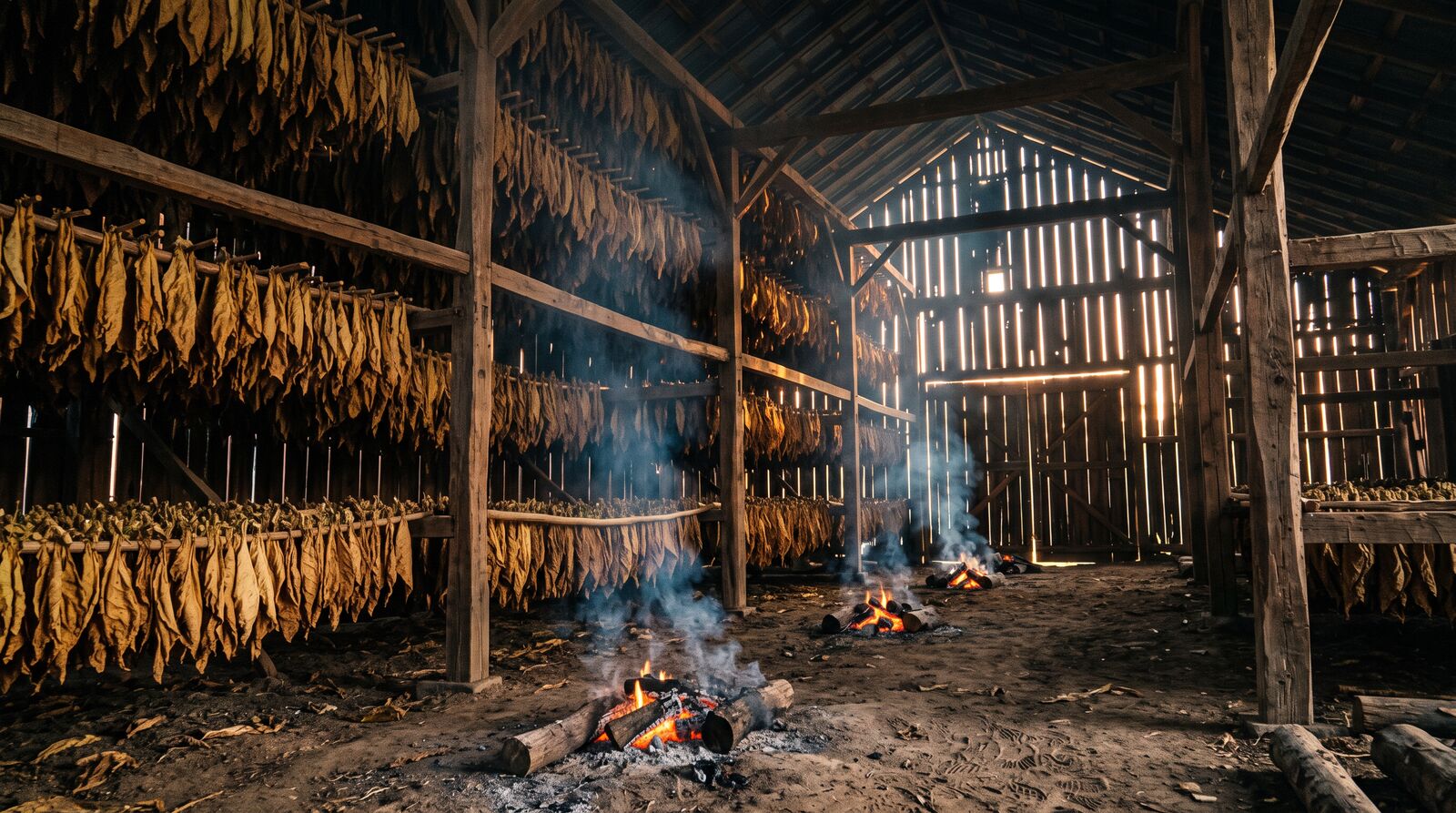
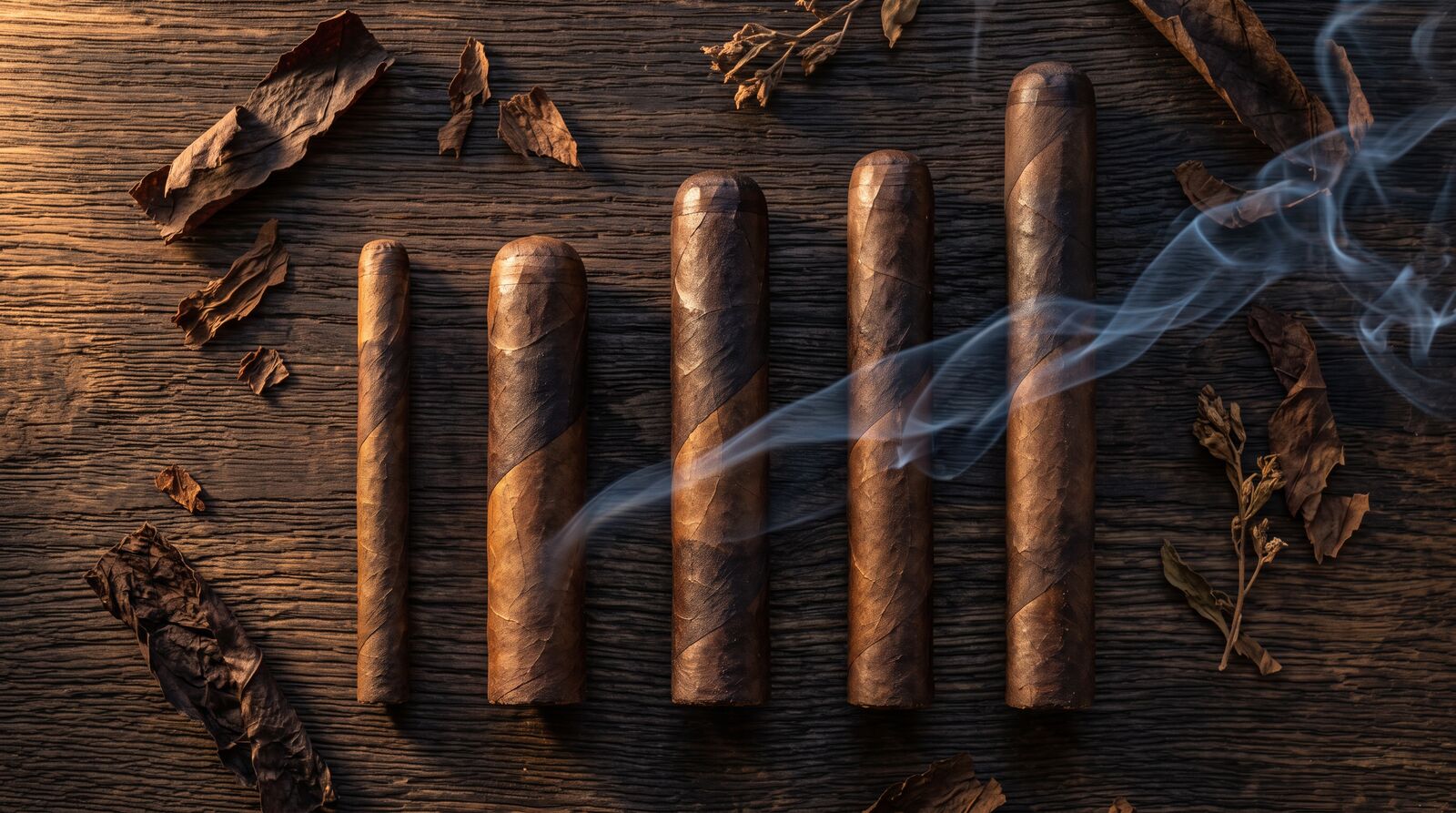
Kentucky tobacco shaped the state's farms, towns and politics for generations. Two very different leaves grew here. Central and northern Kentucky became the center of burley, a light, air-cured tobacco used mainly in blends. The western counties and neighboring northwestern Tennessee grew dark tobacco, much of it fire-cured — and it is that dark leaf that gives today's Kentucky cigars their smoky identity.
Burley and Dark Tobacco: Two Kentucky Leaves
| Burley | Dark fire-cured | |
|---|---|---|
| Where | Central and northern Kentucky | Western Kentucky and northwestern Tennessee |
| Curing | Air-cured in ventilated barns | Smoked over hardwood fires for weeks |
| Character | Light-bodied, low sugar, absorbs flavorings | Heavy, dark, smoky and savory |
| Traditional uses | Blended cigarettes and pipe mixtures | Snuff, chewing tobacco, pipe blends, specialty cigars |
The curing process behind the dark leaf is explained step by step in our fire-cured tobacco guide.
Why It Was Called the Black Patch
The dark tobacco region of southwestern Kentucky and northwestern Tennessee — about 30 counties including Caldwell, Christian, Crittenden, Logan, Lyon and Marshall — took its name from the dark, smoke-cured leaf it produced. Around the turn of the 20th century it was the world's leading supplier of dark fired tobacco.
The Black Patch Tobacco Wars (1904–1909)
By 1900 the American Tobacco Company, controlled by James B. Duke, dominated the market and bought leaf at fixed low prices that pushed many growers toward ruin. Farmers fought back in stages:
- September 24, 1904: About 5,000 people met in Guthrie, Kentucky, and formed the Planters' Protective Association, proposed by planter Felix Ewing. Members pooled their crop and withheld it until buyers paid more.
- The Night Riders: When pooling alone did not work, a secret group called the Silent Brigade, or Night Riders, led by Dr. David Amoss, turned to beatings, arson and destroying crops of farmers who sold outside the association.
- December 1, 1906 — Princeton: Night Riders seized parts of the town and burned the J.G. Orr Tobacco Factory and the Steger & Dollar warehouse.
- December 7, 1907 — Hopkinsville: Roughly 250 masked men took control of much of the city, including police, fire, rail and communications, and burned several warehouses.
- 1908: Kentucky State Guard raids led by Lt. Newton Jasper Wilburn arrested many Night Riders and broke the group's power.
The outcome: Night Rider violence had largely ended by 1910, growers began receiving better prices, and in 1911 the U.S. Supreme Court ruled in United States v. American Tobacco Co. that the company was an illegal monopoly and ordered it broken up.
Hopkinsville, Then and Now
Hopkinsville sits in Christian County at the center of the old Black Patch. The same area that saw warehouses burn in 1907 still grows dark tobacco today, and it is where Drew Estate says the leaf for its Kentucky Fire Cured cigars is grown. That continuity — the same soil, the same barns and the same hardwood smoke — is what makes a Kentucky cigar more than a novelty.
Tobacco, Bourbon and Kentucky Identity
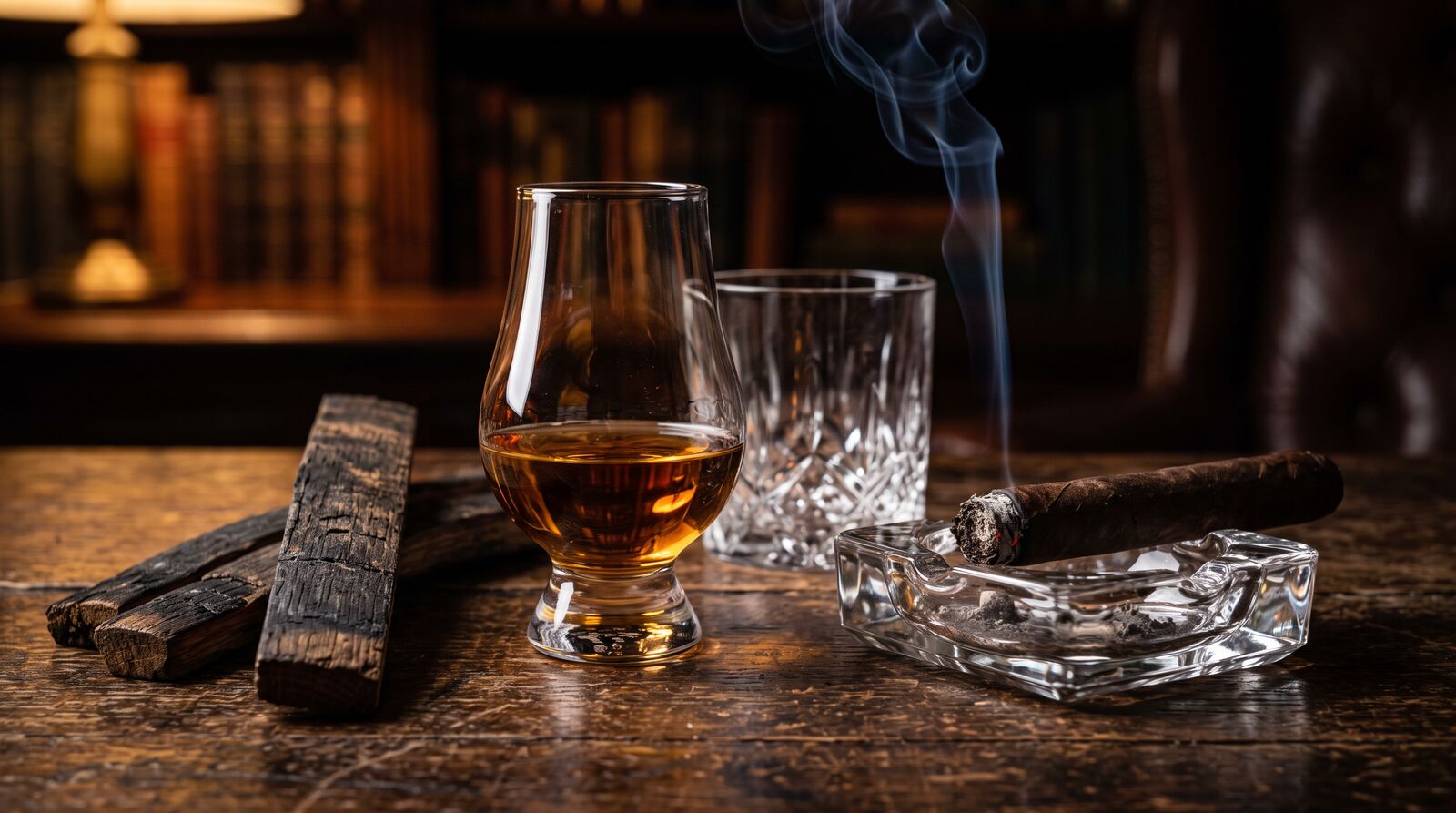
Tobacco and bourbon grew up side by side as Kentucky's signature agricultural products, and they share more than geography: both depend on wood, time and patience. That shared heritage is why so many smokers reach for a pour of bourbon with a Kentucky cigar. See our bourbon and cigar pairing guide for how to get the match right.
Frequently Asked Questions
What were the Black Patch Tobacco Wars?
The Black Patch Tobacco Wars (about 1904 to 1909) were a conflict in western Kentucky and Tennessee in which dark-tobacco farmers organized against the American Tobacco Company's low prices, and a faction called the Night Riders used violence against buyers and holdouts.
Why is it called the Black Patch?
The region was named for the dark, fire-cured tobacco it produced, which was cured in smoke-filled barns and once supplied most of the world's dark fired leaf.
What happened in Hopkinsville in 1907?
On December 7, 1907, about 250 masked Night Riders took control of Hopkinsville, Kentucky, and burned several tobacco warehouses.
What is the difference between burley and dark tobacco?
Burley is a light, air-cured leaf grown mostly in central Kentucky, while dark tobacco is a heavier leaf grown in western Kentucky and Tennessee that is often fire-cured over hardwood.
Is tobacco still grown in Kentucky?
Yes. Kentucky still grows both burley and dark tobacco, and dark fire-cured leaf from the Hopkinsville area is used in cigars such as Kentucky Fire Cured.